Creating a literary practice where disabled writers can thrive
Over the past decade, much has been highlighted about the barriers that disabled writers face across the literature sectors, from inaccessible venues to the basic lack of paid work and opportunities.
We can see that many literature organisations want to be more inclusive, but they often don’t know where to start. We are working with CRIPtic Arts to create disabled-led, research-informed training that doesn’t just point out the barriers writers face, but supports the organisations in smashing them. This project is there to shift the industry from just “getting by” to improving access across the board.
We are working with literature organisations Apples & Snakes, New Writing South, the National Centre for Writing, and the Poetry Translation Centre to understand the challenges the sector faces in making accessible opportunities for disabled writers, and what training and resources could support it.
Writers and trainers Jessi Parrott, Jamie Hale, Jameisha Prescod and Ayesha Chougaly are creating training packages, videos and resources that respond to the challenges to accessibility that literature organisations have identified.
As part of this process, we will be hosting an online symposium and giving literature organisations the chance to test these new training tools, experience workshops, readings, panels and more, all led by disabled writers.
Our goal is to create a toolkit for change, so disabled writers don’t have to fight for a space at the table. We will create and share a wide range of disabled-led training for the sector, ensuring that change to improve access can be truly embedded in every organisation’s practice. All video and written resources will be available online, for free.
Access to Literature is supported by public funds from Arts Council England.

“Deaf and disabled writers are unable to utilise many literature development opportunities and festivals due to access issues. The trend towards hybrid events that came about after the pandemic has fallen away and opportunities frequently exclude deaf and disabled people. To bring about equity, the publishing world needs to be more creative about tackling exclusion.
Symposium: Tuesday 17 November
Symposium events are open to anyone who is interested in improving access in literature and publishing.
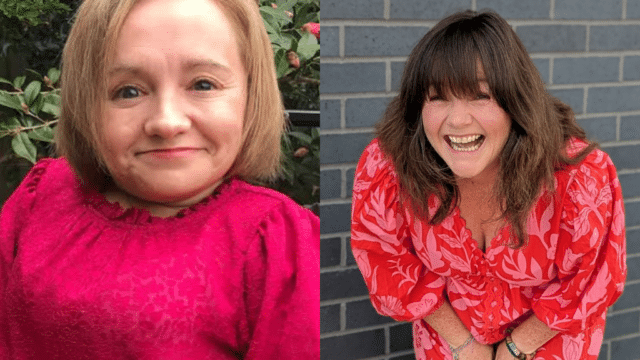
Lisette Auton and Penny Batchelor In Conversation
Join award-winning multidisciplinary artist Lisette Auton, bestselling author Penny Batchelor and CRIPtic Arts Director,Jamie Hale as they open the Access to Literature symposium.
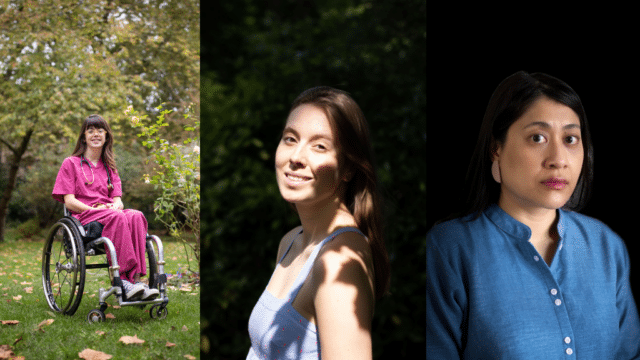
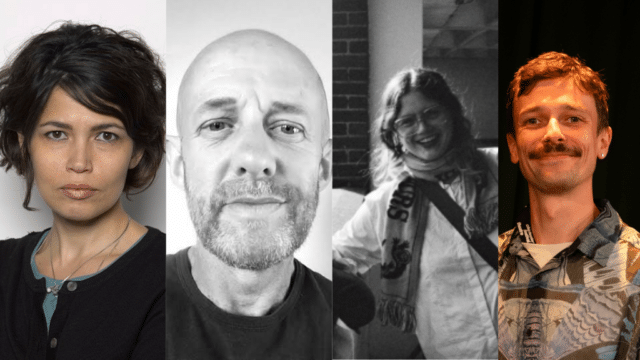
Disabled Writers on How They Create
Hear from writers Grace Spence Green (To Exist As I Am), Elspeth Wilson (These Mortal Bodies and Too Hot To Sleep) and Khairani Barokka (Ultimatum Orangutan, amuk and Annah, Infinite) as they read from their respective work and discuss their writing.
Changing the Conversation on Access
Join us for a conversation about how literature organisations are putting access at the heart of their work.
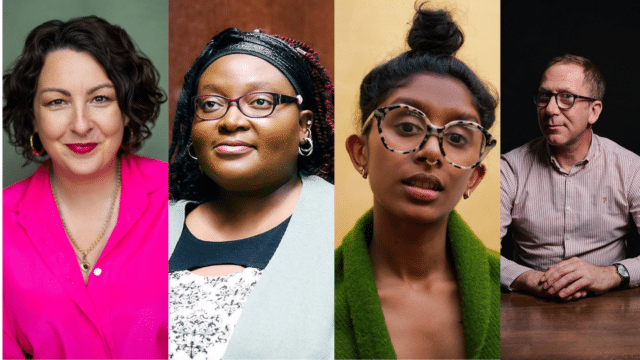
Building a Creative Career as a Disabled Writer
Come and join us for the closing conversation of the Access to Literature Symposium exploring what disabled writers need to build their careers in the literature and wider creative sectors.
Training: Wednesday 18 November
This training has been designed for people running and/ or responsible for literature organisations of all sizes in the UK, and freelancers working within literature spaces who want to be more inclusive but may not know where to start. No previous knowledge is required.

Access in Organisational Planning Training
Join us for this Access to Literature training to learn how access can be imbedded in your literature organisation’s planning and systems.
Marketing and Audience Development for Accessibility Training
Join us for this Access to Literature training to learn how your literature organisation can improve access in your marketing and communications.
Who Are Disabled Writers and What Are Your Legal Obligations Training
Join us for this Access to Literature training to learn how to support disabled writers.

Developing and Delivering Accessible Opportunities Training
Join us for this Access to Literature training to learn how your literature organisation can improve access to your opportunities.
Access to Literature, 2022 Report
The Access to Literature project aims to address key findings from our 2022 report of the same name.
In 2022, we found a lack of opportunities for d/Deaf and disabled writers, and low levels of understanding and engagement from literature organisations with issues related to access.
This data has been paired with new primary research exploring the needs of literary organisations now, to create practical and up-to-date training to boost inclusion across the sector.
Access to Literature (2022)
Written by: Jamie Hale, Artistic Director of CRIPtic Arts, and Ruth Harrison, Director of London Writers Centre
A report on the barriers deaf and disabled people experience in accessing the literature and publishing sectors
“We hope that this report will start to build an evidence base to support change, opening up a wider conversation regarding access and inclusion in the not for profit literature and publishing sectors as well as with funders to support more opportunities for deaf and disabled writers, creative producers and audiences.”
What I hope comes next for the sector is an understanding that disabled writers’ careers, like our lives and experiences, are layered and nuanced – and that we bring rich creative potential to be embraced.
In collaboration with

Project partners


Supported by